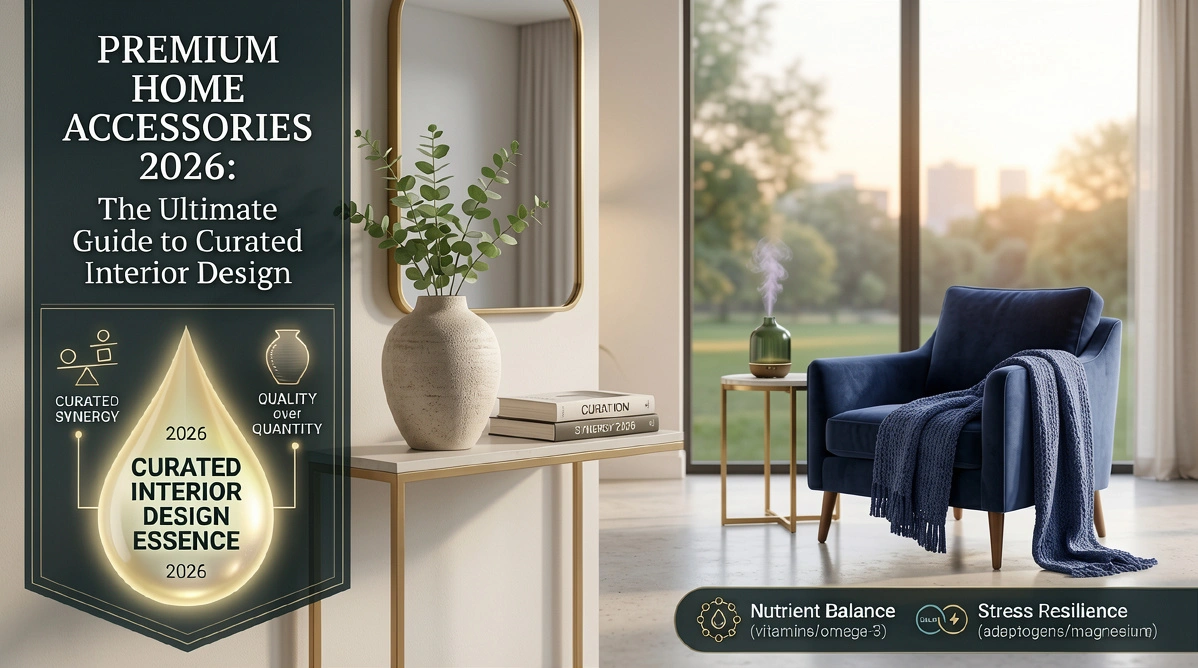
Premium Home Accessories 2026: The Ultimate Guide to Curated Interior Design
Your home tells a story. Every piece of furniture, every wall color, every accessory contributes to that narrative. But too many homes tell a messy story. Mismatched styles. Cluttered surfaces. Empty corners. The problem is not a lack of things. The problem is a lack of curation.
Curated interior design is the art of choosing fewer, better items. It is quality over quantity. Intention over impulse. In 2026, premium home accessories are the building blocks of this approach. They transform a house into a home that feels intentional, luxurious, and uniquely yours.
This ultimate guide will teach you everything you need to know about selecting and styling premium home accessories. You will learn the principles of curation. You will discover the must have pieces for every room. And you will understand how to arrange them for maximum impact. Your journey to a beautifully curated home starts here.
What Is Curated Interior Design?
Curated interior design borrows from the world of art galleries. A curator does not simply fill a wall with every painting available. A curator selects pieces that speak to each other. They consider color, scale, texture, and theme. They leave empty space so each piece can breathe.
The same principle applies to your home.
Signs of a curated space:
- Every item has a purpose, whether functional or emotional
- Similar items are grouped together intentionally
- Empty surfaces exist alongside decorated ones
- Colors and materials repeat throughout the room
- Nothing feels accidental or temporary
Premium home accessories are the tools of curation. Their quality means they deserve to be seen. Their design means they work well together.
The Core Principles of Curated Interior Design
Before you buy a single accessory, understand these five principles. They will guide every decision.
Principle 1: Edit Ruthlessly
Curated design starts with subtraction, not addition. Walk through each room. Remove anything that is broken, worn, or no longer loved. Donate items that do not fit your current style. Store seasonal or sentimental pieces that clutter surfaces.
A good rule of thumb: remove 20 percent of your accessories before adding anything new. The empty space will feel uncomfortable at first. That discomfort is the sign of progress.
Principle 2: Choose Quality Over Quantity
One premium accessory has more impact than ten cheap ones. A single hand thrown ceramic vase draws the eye. A cluster of five mass produced vases looks like clutter. Save your budget for fewer, better pieces. Your room will look more expensive even if you spent less money overall.
Principle 3: Repeat Colors and Materials
Randomness is the enemy of curation. Choose a palette of two to three colors and two to three materials. Repeat them throughout the room. For example, brass, marble, and blue velvet. A brass lamp. A marble coaster. A blue velvet pillow. These items look like a set even if you bought them years apart.
Principle 4: Vary Scale and Height
A flat arrangement is boring. Mix tall items with short items. Mix large items with small items. A floor lamp next to a low sofa. A tall vase next to a stack of books. A large mirror above a narrow console. Scale variation creates visual rhythm.
Principle 5: Leave Negative Space
Not every surface needs to be filled. Empty space gives the eye a place to rest. It makes the items you do display feel more special. Aim to leave 30 to 40 percent of your surfaces bare. This includes coffee tables, shelves, nightstands, and console tables.
Essential Premium Home Accessories by Room
Different rooms have different needs. Here is the curated approach for each space.
Living Room Accessories
The living room is where you entertain and relax. It needs to be both welcoming and impressive.
Must have premium accessories:
- Large-scale artwork: One oversized piece above the sofa anchors the room
- Textured throw blankets: Draped over the arm of a chair or sofa for comfort and depth
- Designer coffee table books: Stacked in groups of two or three for visual interest
- Sculptural candle holders: Placed on the coffee table or mantel for ambient lighting
- Velvet accent pillows: Arranged in odd numbers for a luxurious touch
Styling tip: Create three vignettes in your living room. One on the coffee table. One on a side table. Also one on the console behind the sofa. Do not decorate every surface equally. Some surfaces should be completely bare.
Bedroom Accessories
The bedroom should feel like a sanctuary. Calm, restful, and personal.
Must have premium accessories:
- Statement mirror: Leaning against the wall or mounted above a dresser
- Ceramic catchall tray: On the nightstand for jewelry and watches
- Linen or cashmere throw: Folded at the foot of the bed
- Table lamp with fabric shade: For warm, diffused light
- Scent diffuser: With calming scents like lavender or sandalwood
- 3-in-1 Portable Octopus Fan: Wrap its flexible legs around your headboard or nightstand leg. It doubles as a silent bedside fan, a USB charger for your phone, and a holder for sleep sounds or guided meditations—keeping your sanctuary cool, charged, and clutter-free

Styling tip: Keep your nightstands asymmetrical. One nightstand can have a lamp, a stack of books, and a small vase. The other nightstand can have just a lamp and a single object. Asymmetry feels more curated than matching pairs. For a seamless sleep environment, wrap your Octopus Fan discreetly on the far side of your headboard or dresser leg—its quiet airflow and charging function work perfectly alongside your diffuser without disturbing your calm.
Dining Room Accessories
The dining room is often under-decorated. A few carefully chosen accessories make meals feel special.
Must have premium accessories:
- Statement chandelier or pendant light: Hanging 30 to 36 inches above the table
- Natural stone coasters: Placed at each setting or in a stack at the center
- Large ceramic or glass vessel: As a centerpiece, filled or empty
- Cloth napkins with napkin rings: Even for everyday meals
- Taper candles in brass or marble holders: For dinner parties and quiet evenings alike
Styling tip: Remove all accessories from the dining table when not in use, except for one centerpiece. A table cluttered with napkin holders, salt shakers, and candles looks messy. Store those items in a sideboard and bring them out only when needed.
Home Office Accessories
Your workspace affects your productivity. Premium accessories make the office feel professional and inspiring.
Must have premium accessories:
- Leather desk pad: Defines your workspace and protects the desk surface
- Stone or ceramic pen holder: Keeps writing tools organized and accessible
- Architectural desk lamp: Provides task lighting with style
- Bookends: Holding reference books upright on your desk or shelf
- Small plant or dried arrangement: Brings life and texture to the workspace
- Dutrieux Flagged Bristle Hand Broom: Keep it within arm’s reach for quick cleanups. Its split-tip flagged bristles trap fine dust, crumbs, and debris from your desk surface, keyboard, and shelves without scratching, turning daily tidying into a calm, satisfying ritual
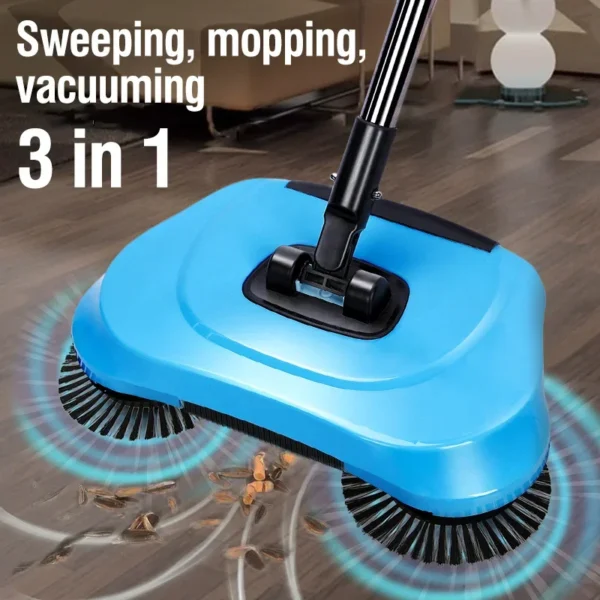
Styling tip: Keep your desk surface at least 50 percent empty. A cluttered desk creates mental clutter. Store supplies in drawers. Display only the items you use daily and the one or two pieces that bring you joy. After each work session, a single sweep with your Dutrieux hand broom clears away physical crumbs and mental residue, leaving your creative space fresh for the next day.
Entryway Accessories
The entryway is the first thing you see when you come home. It should also be the last thing you see when you leave. First impressions matter.
Must have premium accessories:
- Valet tray: For keys, wallets, sunglasses, and loose change
- Large mirror: For last-minute appearance checks before leaving
- Console table: Even a narrow one provides landing space
- Table lamp or sconce: Soft light welcomes you home
- Bowl or basket: For mail, gloves, or small packages
Styling tip: Keep the entryway as minimal as possible. This area sees the most traffic and the most clutter. A single tray and a single lamp are often enough. Add a small vase of fresh flowers for a welcoming touch.
How to Shop for Premium Home Accessories in 2026?
Shopping for curated pieces requires patience and strategy.
Start with a Mood Board
Before spending any money, create a visual reference. Use Pinterest, Instagram, or a physical corkboard. Collect images of rooms you love. Look for patterns. What colors appear repeatedly? What materials? Also what shapes? Your mood board will reveal your authentic style.
Invest in the Pieces You Touch Most
Some accessories are purely visual. Others you interact with daily. Prioritize quality for high touch items.
High touch accessories worth investing in:
- Throw blankets and pillows
- Coasters and trays
- Desk accessories like pen holders and bookends
- Door handles and cabinet knobs (often overlooked)
- Bedding and bath linens
Buy One Piece at a Time
Curated design cannot be rushed. Buy one premium accessory per month. Live with it for a few weeks. See how it feels. Then buy the next piece. This slow approach prevents buyer’s remorse and allows your style to evolve naturally.
Consider Secondhand and Vintage
Premium does not always mean new. Vintage accessories often have better craftsmanship than modern equivalents. Explore estate sales, antique markets, and online resale platforms. A 1960s brass lamp or a 1970s ceramic vase adds character that new items cannot replicate.
Common Curating Mistakes to Avoid
Even experienced designers make errors. Avoid these pitfalls.
Mistake 1: Matching Everything Perfectly
A matching set of coasters, a matching set of pillows, a matching set of vases. This looks like a catalog, not a home. Break up matching sets. Keep one or two items from the set. Mix in contrasting pieces.
Mistake 2: Buying Too Small
Small accessories get lost in large rooms. A tiny vase on a large coffee table looks like an afterthought. Scale up. A large vase. A large bowl. Also a large tray. Large accessories anchor a space. Small accessories fill it.
Mistake 3: Forgetting About Lighting
Premium accessories disappear in a dark room. Layer your lighting. Overhead fixtures. Table lamps. Floor lamps. Sconces. Dimmer switches. Good lighting makes every accessory look better. Bad lighting makes even expensive pieces look cheap.
Mistake 4: Following Trends Blindly
Curated design is timeless. A trendy accessory will look dated in two years. Choose pieces that you would have loved five years ago and will love five years from now. Neutral colors. Natural materials. Classic shapes. These never go out of style.
Maintaining Your Premium Home Accessories
Curated design requires ongoing care.
- Dust weekly with a soft microfiber cloth. Use a vacuum brush attachment for textured items.
- Rotate pillows and throws monthly to distribute wear evenly.
- Clean stone with mild soap and water. Avoid acidic cleaners like vinegar or lemon juice.
- Polish brass and copper with specialized cleaners. Do not use generic metal polishes.
- Wash linens according to care labels. Line dry when possible to preserve fibers.
Your Curated Home Journey Begins Now
Premium home accessories are not about showing off wealth. They are about showing care. A curated home says that you value your environment. You pay attention to details. You surround yourself with objects that have meaning and beauty.
Start with one room. Edit out the clutter. Choose a color palette and a material palette. Buy one premium accessory. Style it intentionally. Leave empty space around it. Live with it for a week. Then add another.
Slowly, your home transforms. The messy story becomes a clear story. The random collection becomes a curated collection. Your home no longer just houses you. It reflects you. And that is the ultimate goal of interior design in 2026.